banner_vtn_aug
Cardiac Center and Heart Surgery Center : Vejthani Hospital
http://www.vejthani.com
Talk to Doctor
Appointment
Plan your visit to Vejthani Hospital
|
Heart Diseases and Heart Problems
 
Peripheral Artery Disease
 

PAD Symptoms and Diagnosis

man jogging

The pain of PAD usually goes away when you stop exercising, although this may take a few minutes. When muscles are being used, they need more blood flow. That means if there’s a blockage due to plaque buildup, the muscles won’t get enough blood during exercise to meet their needs. That’s what causes the pain, which is called “intermittent claudication”. The term comes from the Latin word meaning “to limp.”

Many people with PAD have no symptoms or mistake their symptoms for something else. 


Symptoms of severe PAD include:

  • Leg pain that doesn't go away when you stop exercising
  • Foot or toe wounds that won't heal or heal very slowly
  • Gangrene
  • A marked decrease in the temperature of your lower leg or foot particularly compared to the other leg or to the rest of your body.

Understanding leg pain

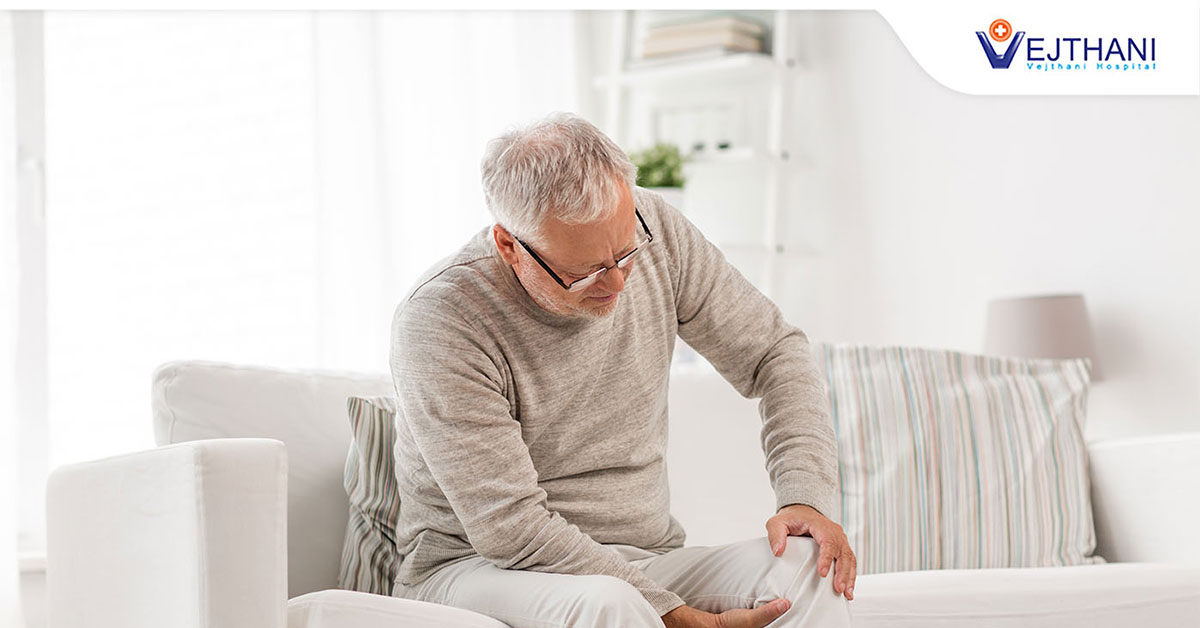
Many people dismiss leg pain as a normal sign of aging. You may think it’s arthritis or sciatica or just “stiffness” from getting older. PAD leg pain occurs in the muscles, not the joints. Those with diabetes might confuse PAD pain with a neuropathy, a common diabetic symptom that is a burning or painful discomfort of the feet or thighs. If you're having any kind of recurring pain, talk to your healthcare professional and describe the pain as accurately as you can. If you have any of the risk factors for PAD, you should ask your healthcare professional about PAD even if you aren't having symptoms.

16210-inter-prev.jpg

Diagnosing PAD

PAD diagnosis begins with a physical examination. Your doctor will check for weak pulses in the legs. The ankle-brachial index (ABI) test  is also usually done. It’s a painless exam that compares the blood pressure in your feet to the blood pressure in your arms to determine how well your blood is flowing. This inexpensive test takes only a few minutes and can be performed by your healthcare professional as part of a routine exam. Normally, the ankle pressure is at least 90 percent of the arm pressure, but with severe narrowing it may be less than 50 percent. 

View an illustration of ankle-brachial index testing
Watch a video about ankle-brachial index testing

If an ABI reveals an abnormal ratio between the blood pressure of the ankle and arm, you may need more testing. Your doctor may recommend one of these other tests:

  • Doppler and Ultrasound (Duplex) imaging: a non-invasive method that visualizes the artery with sound waves and measures the blood flow in an artery to indicate the presence of a blockage. View an illustration of Doppler ultrasound imaging.
  • Computed Tomographic Angiography (CT): a non-invasive test that can show the arteries in your abdomen, pelvis and legs. This test is particularly useful in patients with pacemakers or stents. View an illustration of CT imaging.
  • Magnetic Resonance Angiography (MRA): a non-invasive test that gives information similar to that of a CT without using X-rays.
  • Angiography can also be used, but it's usually reserved for use in conjunction with treatment. During this test a contrast agent is injected into the artery and X-rays are taken to show arteries in the legs and any blockages that may be present. View an illustration of a peripheral angiogram.

As stated earlier, PAD often goes undiagnosed. This can be dangerous because PAD can lead to painful symptoms, loss of a leg and/or increased risk of coronary artery disease and carotid atherosclerosis. Because people with PAD have this increased risk for heart attack and stroke, the American Heart Association encourages people at risk to discuss PAD with their healthcare professional to ensure early diagnosis and treatment.


Risk Factors
PAD Risk Factors and Possible Complications

PAD risk factors
PAD risk factors you can control

Certain risk factors for PAD can't be controlled, such as aging or having a personal or family history of PAD, cardiovascular disease or stroke. However, you can control many risk factors including:

  • Cigarette smoking   —  Smoking is a major risk factor for PAD. Smokers may have four times the risk of PAD than nonsmokers. Our guide to quitting smoking can help you.
  • Physical inactivity — Physical activity increases the distance that people with PAD can walk without pain and also helps decrease the risk of heart attack or stroke. Supervised exercise programs are one of the treatments for PAD patients. 
  • High blood cholesterol — High cholesterol contributes to the build-up of plaque in the arteries, which can significantly reduce the blood's flow. This condition is known as atherosclerosis. Managing your cholesterol levels is essential to prevent or treat PAD.
  • Diabetes mellitus — Having diabetes puts you at greater risk of developing PAD as well as other cardiovascular diseases.  Learn more about the risks and how to manage diabetes.

Taking care of only one risk factor is not as effective as taking care of all those that you can control. Learn the facts. Develop a heart-healthy lifestyle and cooperate with your healthcare professionals. Your heart will thank you by functioning better and lasting longer.


Treatment and Medication

PAD Treatments and Medications

Treatment for PAD focuses on reducing symptoms and preventing further progression of the disease. In most cases, lifestyle changes, exercise and claudication medications are enough to slow the progression or even reverse the symptoms of PAD.

Learn About


Physical Activity

The most effective treatment for PAD is regular physical activity. Your doctor may recommend a program of supervised exercise training for you. You may have to begin slowly, but simple walking regimens, leg exercises and treadmill exercise programs three times a week can result in decreased symptoms in just four to eight weeks. Exercise for intermittent claudication takes into account the fact that walking causes pain. The program consists of alternating activity and rest in intervals to build up the amount of time you can walk before the pain sets in. It's best if this exercise program is undertaken in a rehabilitation center on a treadmill and monitored. If it isn’t possible to go to a rehabilitation center, ask your healthcare professional to help you plan a program that's best suited to your situation.

Learn more about cardiac rehabilitation
Start! Walking for a Healthier Lifestyle


Diet

Many PAD patients have elevated cholesterol levels. A diet low in saturated fat, trans fat and cholesterol can help lower blood cholesterol levels, but medication may be necessary to maintain the proper cholesterol levels.

Get heart-healthy eating tips from our Cholesterol Web site
Learn more about diet and nutrition
Face The Fats


Smoking Cessation

Tobacco smoke greatly increases your risk for PAD and your risk for heart attack and stroke. Smokers may have four times the risk of developing PAD than nonsmokers. Stop smoking. It will help to slow the progression of PAD and other heart-related diseases.

Learn how you can quit smoking


Medication

  • You may be prescribed high blood pressure and/or cholesterol-lowering medications. It's important to make sure that you take the medication as recommended by your healthcare professional. Not following directions increases your risk for PAD, as well as heart attack and stroke.
  • Medications that your doctor may prescribe to help improve the distance you can walk include cilostazol and pentoxifylline.
  • In addition, you may be prescribed antiplatelet medications (aspirin and clopidogrel) to help prevent blood clots.


Procedures

For a minority of patients the above recommendations and treatments aren't enough, and minimally invasive treatment or surgery may be needed. Minimally invasive procedures consist of angioplasty or stent placement (as is done in the heart for CAD) or clot-removal treatment. They are nonsurgical and are performed by making a small incision through which a catheter is inserted to reach the blocked artery. A tiny balloon is inflated inside the artery to open the clog.  A stent — a tiny wire mesh cylinder — may also be implanted at this time to help hold the artery open. Sometimes a medicine can be given through the catheter or a special device can be inserted through it to remove a clot that's blocking the artery.

View an illustration of peripheral angioplasty

If there's a long portion of artery in your leg that's completely blocked and you're having severe symptoms, surgery may be necessary. A vein from another part of the body can be used to “bypass” and reroute blood around the closed artery. Your healthcare professional will discuss your options and help choose the best procedure for your situation.

View an illustration of a peripheral bypass


Untitled Document


--------------------------------------------------------------------------------------------------------------------------------------------------------------------
Hearts At Risks : Cholesterol : Diabetes : High Blood Pressure : Metabolism Syndrome : Obesity & Overweight
Heart Diseases and Heart Problems : Heart Attacks : Heart Failure : Congenital Heart Disease : Peripheral Artery Disease
Heart Stroke : Heart Valve Disease : Angina : Atherosclerosis : Arrhythmias : Heart Treatments : Heart Surgery
Implantable Medical Device
: Cardiac Medication : Cardiac Rehab
Understanding your heart conditions, tests and treatments
: Reducing stress : Quitting Smoking
Eating well and losing weight : Cardiac Catherization : Cardiac Stent : Our Cardiologists
Cost of coronary angiogram package : cost of CABG Package : cost Heart Valve Replacement Package


Factsheet : Vision : Management : Achievements : Overseas Office : Insurance Company Partner : Hospital Tour
Plan your visit
: Talk to doctor online : Make an appointment : Find a doctor : Location : Patient Services
Our Cilent Testimonials
: Hospital Photo Gallery

Vejthani International Hospital
Call Center: +66(0)2-7340000 Fax. : +66(0)2-7340044
1 Ladprao Road 111, Klong-Chan, Bangkapi,Bangkok,Thailand 10240 Asia

Contact Us Now!

Customer Contact :   int_mkt@vejthani.com , webmaster@vejthani.com
http://www.vejthani.com